Yes, kids can and do retain knowledge gained while travelling full-time. As one of many worldschooling families, I can prove it. We travelled full-time with our kids for almost 7 years, and they did most of their learning directly from the world. With a little help from me. This post is about how we helped them retain that knowledge because, trust me, they forget a lot too!
In the quiet moments, between adventures, how do we encourage the learning to stick?
Recently, I landed in Saigon, Vietnam, with my young adult son. It was just a few weeks ago. He kept asking me how close we were to the lake. It took me a while to realise that he thought we were in Hanoi, we’d been there just 12 months previously, and he’d totally forgotten the names of Vietnam’s 2 key cities. He knows now! It’s a trivial example, but this child had also studied Vietnam for his history iGCSE, and came away with an A grade. He’s also lived in Vietnam for 6 months and visited multiple times. Just visiting and experiencing isn’t enough to make facts stick, maybe.
Worldschooling is an educational approach that has gained popularity over the last 20 years with families that are able to travel full-time, or those that homeschool and take gap years. We chose this method for our family and have no regrets, it worked well.
Worldschooling involves families using travel, culture, and real-life experiences as the primary learning environment, instead of the traditional classroom. I wrote this post about the various ways that we made travel educational for our kids, it should give you more insight into the method.
This article explains how families may turn experiences into more structured learning on the road, so that knowledge sticks long after the journey.
Why Knowledge Retention Matters in Worldschooling
Worldschooling, if done right, exposes kids to a steady flow of new information, ideas and experiences. Worldschooling families change location often, bringing exposures to cities, villages, mountains, cultures, currencies, food and more. So much new input could potentially overwhelm young learners and be impossible to assimilate without a plan of some sort.
In our experience, worldschooling works better with older kids. Before the age of about 8-10, our kids retained very little that was factual. We concentrated on the experiences and the benefits of the non-stop family time we could give them through a nomadic lifestyle. They were naturally building numeracy and literacy through exposure at the same time.
Our focus was more on letting them understand what each country was like, rather than on school-style learning. If we wanted them to learn something in particular, we knew that we could return to that place or study it online.
If it’s important to you or the child, aiming for retention of knowledge ensures learning builds over time rather than fading after each adventure. Parents also benefit from strong retention habits; adults develop new skills in traversing the world confidently and learn endless new information on everything the world offers.
Confidence grows when kids and families remember past real-world lessons and apply them naturally as part of the travel experience. Learning feels sustainable as a natural part of life, not pressured or stressful.
Real-World Experiences Aid Memory
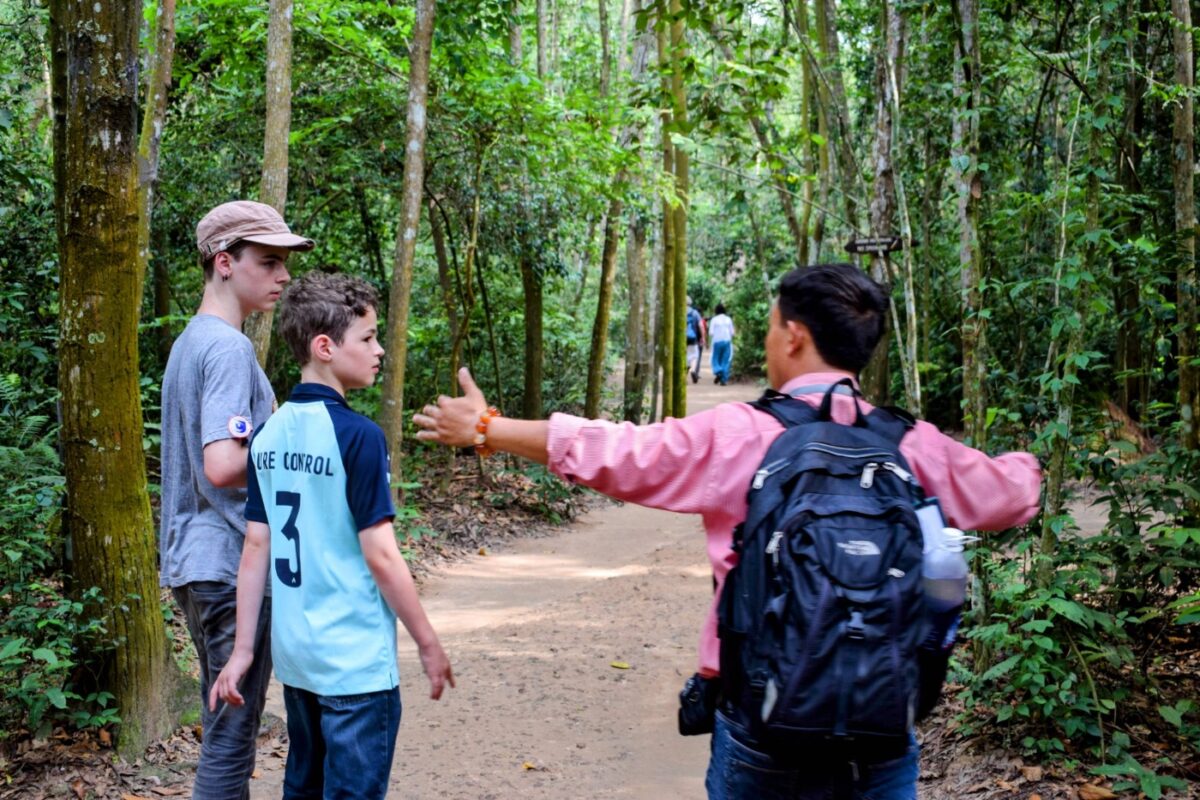
Experiences and environment aid retention of information. The heat of the jungle, crawling through the tunnels, seeing the bomb craters while hearing information directly from a local, beats any textbook learning. Vietnam,
Experiential learning improves recall and comprehension by connecting ideas to places where smells, sights, and emotions often stick in the memory far more effectively than something read from a book.
Memory can then be strengthened by context and repeated retrieval or encounters. Travel provides context of significance to the child, without forced formal lessons and rote learning which emphasises recall over understanding.
A visit to a historic site or local market can turn abstract topics into interesting lived experiences. Sensory details and personal experiences make memories easier to recall later.
Reflection Turns Travel Into Long-Term Learning
I know that I have learned more from our travels than the kids. It’s because I wrote about our experiences after the fact, and took time to find out facts and further information to make a useful blog post.
I pour over the thousands of photos, constantly jogging my own memory. I try to do something similar with the kids, talking about past experiences, showing them photos. When we were very serious about the learning, they even created their own blog posts.
Experiences hold more value when families pause to reflect and revisit moments or places. As worldschooling parents, we encouraged conversations and reflection at the end of the day or in any quieter moment. This can help cement thoughts before memories start to fade.
Some families use journaling or diary writing, but my kids were not the sort to journal. I’d recommend that you don’t force this and find something that they do enjoy instead. You do not want to be in constant conflict with your kids, your travel years are an enormous blessing to enjoy, don’t make family life a battleground.
Brief reviews shortly after learning strengthen long-term memory in children. Five focused minutes often outperform longer sessions done days later.
Retention Systems for Worldschooling Families
Sometimes the learning materials are provided for you. Take advantage of what you can find as you travel.
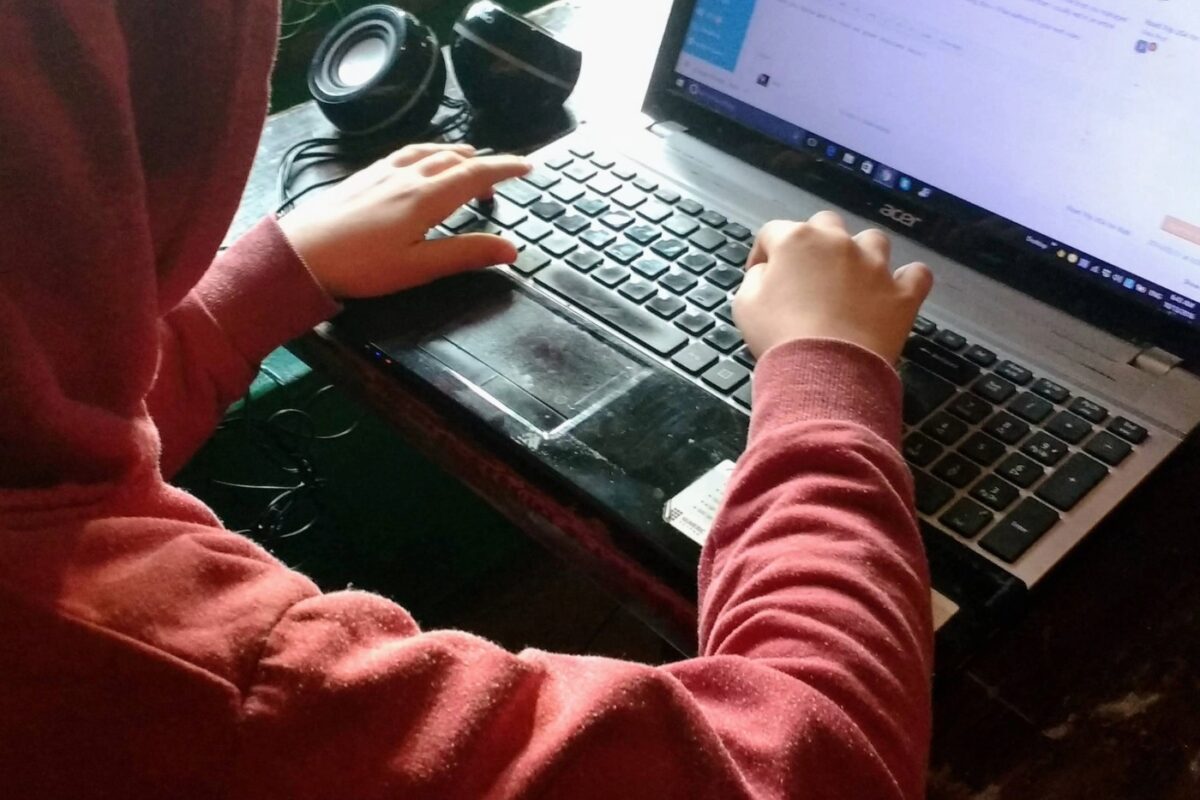
Complex or bulky materials aren’t suited to full-time travel. Lightweight learning equipment that can fit into unpredictable days and be packed easily is best, along with reading materials and an essential laptop.
We liked to use a familiar series of workbooks from time to time, as travel allowed, plus several online learning programs, each suited to different age groups.
Parents could maybe turn notes into cards using a custom flashcard generator, such as that from Canva, to aid as a learning tool.
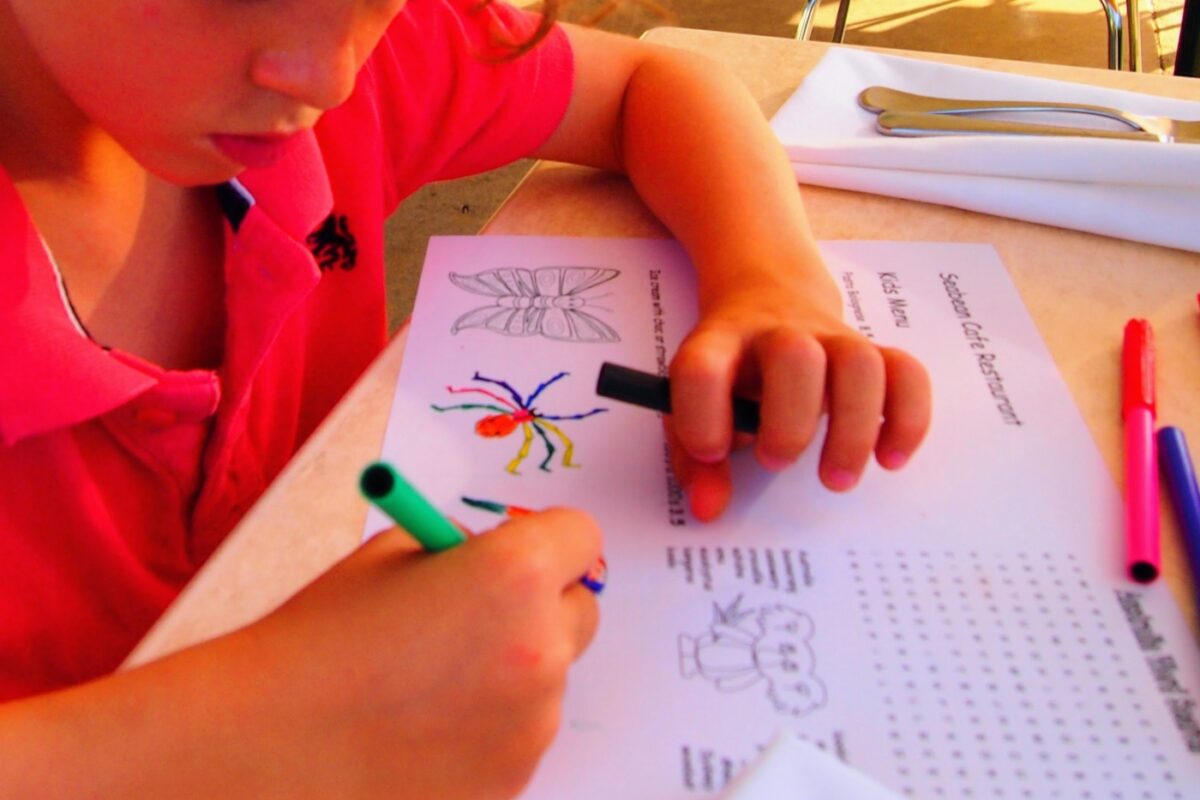
Don’t create pressure or conflict by insisting on school-type learning systems. Make learning fun or turn it into a game. My favourite learning tool was probably just my constant chat as we walked and explored. If the chat was led by their questions, all the better.
Why Spaced Repetition Works While Travelling
Spaced repetition reinforces learning without long study blocks. Research shows spaced review can improve recall by roughly 20 to 30%.
Short sessions are manageable for kids and learning stays active during busy weeks filled with journeys and exploration.
Habits Experienced Worldschooling Families Rely On
Long-term worldschooling success depends on repeatable habits. Families focus on actions that require little setup and work anywhere.
Common habits include: ● Short, informal reviews connected to recent experiences and places. ● Reflection and conversations after museums, tours, or hikes. ● Visual notes using maps, sketches, or photos. Blog posts, diaries, or journals are exactly this.
Encouraging Ownership Builds Stronger Recall
Kids retain more when learning feels personal. Worldschooling families allow kids to follow their own interests. Sometimes the children choose the excursion, destination, or tour. If they find something interesting (it was cooking for my younger child) support that.
Children are always encouraged to ask questions, explain their ideas, and talk with siblings or adults about what they see.
Ownership and modelling learning behaviours may also increase motivation in kids. Learning becomes something kids participate in as they see their family eager to learn more through any sort of deeper research.
Building Confident Learners While Travelling Full-Time
Worldschooling families show that retention thrives through consistency and intention. Simple systems, reflection, and flexible tools help learning survive constant movement. Over time, kids trust their ability to remember and grow.
Parents exploring worldschooling can start small. They can then refine routines as travel evolves.
If you found this post to be helpful, make sure you check out our worldschooling archives. We worldschooled from 6 years old to the end of high school; there are hundreds of posts on this website on the topic.
Alyson is a British medical scientist who jumped ship to chase dreams. A former Chief Biomedical Scientist in London hospitals, she started in website creation and travel writing in 2011.
Alyson is a full-time blogger and travel writer, a published author, and owns several websites. World Travel Family is the biggest.
A lifetime of wanderlust and over 6 years of full-time travel, plus a separate 12 month gap year, has given Alyson and the family some travel expert smarts to share with you on this world travel site.
Today Alyson still travels extensively to update this site and continue her mission to visit every country, but she's often at home on her farm in Australia. (https://tropicalfoodgarden.com)
Alyson is going by Clarke today, but she remains married into the Long family.